How to Open a Food Hall in 2026: A Developer’s Playbook
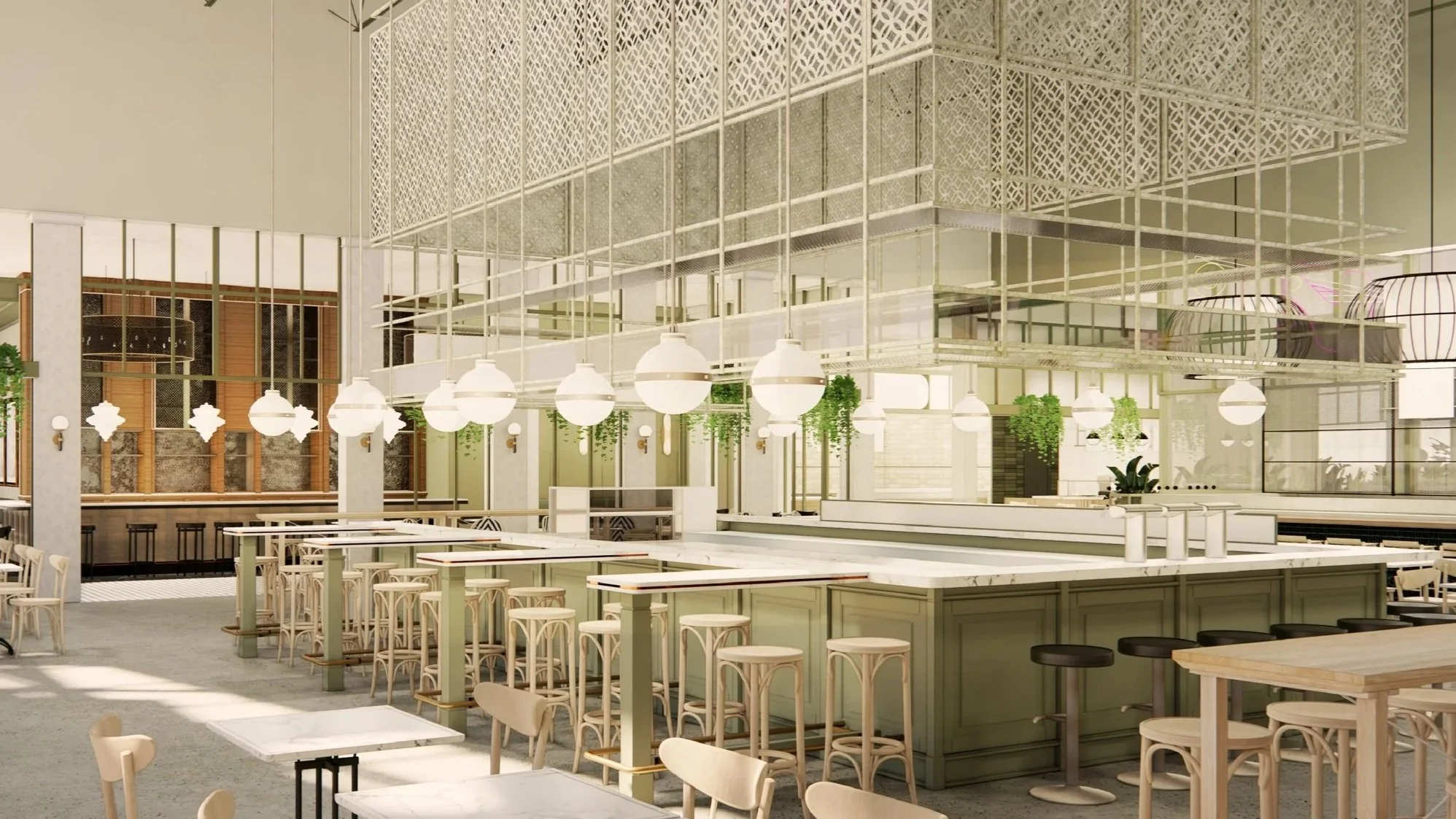
Le Fou Fou Food Hall, Montreal
In 2010, there were about 30 food halls in North America. Today more than 450 are open and another 100-plus are in the pipeline — a fifteenfold expansion in fifteen years. And the segment is more durable than its critics think: roughly 84% of the food halls operating in 2018 were still open in 2023, against a roughly 70% survival rate for independent restaurants over the same period — and through a pandemic.
That growth is real. So is the failure rate of the projects that get it wrong.
At Onset Hospitality, we’ve been developing and operating food halls since the modern segment started taking shape. What we’ve learned is that the projects that work share a small set of early decisions. The ones that don’t share the same handful of avoidable mistakes — wrong location, wrong size, wrong vendor mix, wrong operating model, and a budget that ran out before the kitchen exhaust did.
If you’re a developer, REIT, or property owner thinking about a food hall in your next mixed-use project, this is the playbook we’d hand you on day one.
1. Decide whether you actually need a food hall
A food hall is not a food court with better lighting. It’s a fully managed, multi-vendor venue with curated local operators, shared infrastructure, a unified hospitality program, a full bar program, and event revenue that funds the rest.
That distinction matters because food halls have higher capex, more operational complexity, more labor, and more upside than food courts. They’re not the right answer for every property.
Three questions to pressure-test the concept before you spend your first dollar:
Does the trade area support the transactions? An average food hall needs 750 to 1,500 transactions per day to survive. Trade-area population, density, daytime workforce, residential growth, and tourist or event traffic all feed that number. If your math depends on a “halo” you can’t quantify, the project is already in trouble.
Does the building support the infrastructure? Multi-tenant kitchens demand MEP capacity, grease and waste handling, ventilation, and trash routing that most existing shells weren’t designed for. Retrofitting these systems mid-build is where budgets go to die.
Is the local food scene deep enough? A food hall lives or dies on its vendor mix. If there aren’t 25 to 30 operators in the trade area who you’d be proud to have as your vendors, you’re either in the wrong market or building the wrong format.
If the answers are yes, yes, and yes, keep going. If two of the three are soft, consider a smaller market hall, a curated bar program, or a chef-led restaurant instead.
2. Right-size the project before you draw it
The single most expensive mistake in food hall development is building too big.
Bigger doesn’t drive bigger returns. It drives bigger break-evens, bigger vacancy risk, and bigger operating overhead. Nothing kills a food hall faster than a 30,000-square-foot space that always feels empty and where none of the vendors are making money — we’ve seen halls that size underperform 15,000-square-foot halls in similar markets, because the smaller one matched its trade area and the larger one didn’t.
The way we size a hall is bottom-up, not top-down. Four numbers determine the answer:
Realistic trade-area capture. How many people can we reliably draw from the trade area, with room to grow? Not the theoretical population — the share we can credibly convert based on density, daypart coverage, competitive set, and access.
Average check. What does a typical guest actually spend across the hall in one visit? Food hall check averages run from $30–$35 on the high end to $14–$15 on the low end and depend entirely on the market you’re in and the disposable income of your clientele.
Revenue range. Multiply expected covers by average check across realistic high, mid, and low scenarios. That gives us a defensible weekly revenue range for the hall.
Vendor support math. Using a baseline of $12K–$15K per vendor per week as our floor for a viable vendor, we divide the revenue range by that floor to see how many vendors the trade area can actually support. That vendor count sets the size of the hall. Only once the math gives us a vendor count does the physical footprint follow.
As rough anchor points for what those vendor counts typically look like in real-world projects:
Neighborhood hall: 6,000–12,000 sq ft, 6–10 vendors, one bar, light programming
Urban flagship: 15,000–25,000 sq ft, 10–16 vendors, two bars, regular events
Destination market: 25,000–40,000+ sq ft, 16+ vendors, multiple bars, full event venue
These aren’t rules. They’re anchor points. The right size for your project is the one your trade-area math supports — not the one the floor plan allows.
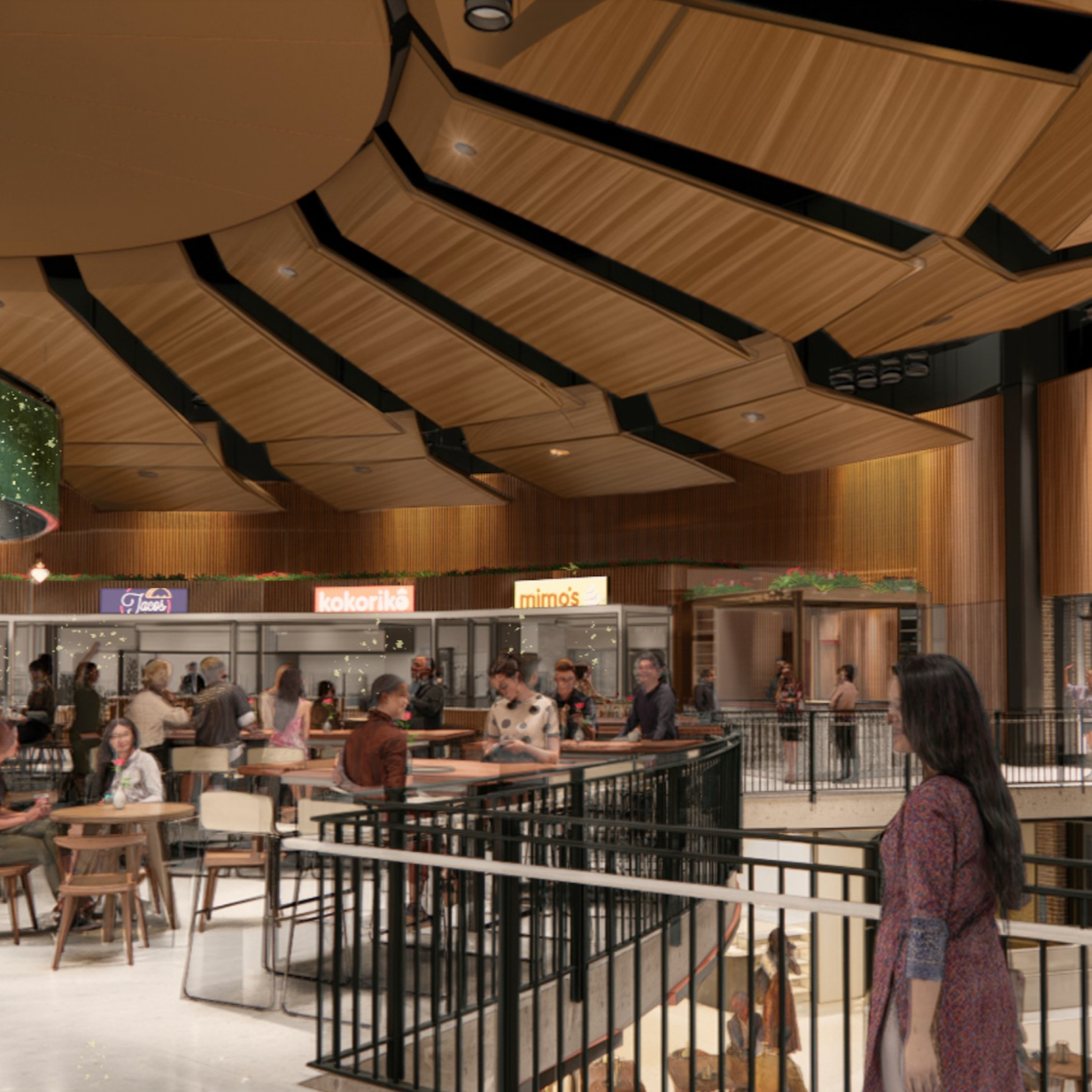
La Villita Food Hall, San Antonio TX
3. Build a realistic capital plan
The honest answer to “how much does it cost to open a food hall?” is: $375 to $550 per square foot for the fit-out, excluding base building. Kitchen equipment alone runs around $450 per square foot of kitchen area, and the MEP required to support multiple commercial kitchens is the single largest variable.
Don’t anchor on the per-square-foot number. Anchor on a full capital stack that includes:
Hard costs (shell modifications, MEP, kitchen build-out, finishes, bar build, FF&E)
Soft costs (design, engineering, permitting, legal, PR/launch marketing)
Pre-opening operating reserve (typically 3–6 months of payroll, utilities, and vendor onboarding)
A real contingency line — 10% minimum, 15% on adaptive reuse
The projects that hit their numbers are the ones that look at all of these costs and over-prepare for the first 12–24 months. This isn’t a situation where you can figure it out along the way.
4. Curate the vendor mix like a portfolio
Vendor curation is where food halls win or lose. A great mix is balanced across four dimensions:
Cuisine breadth. Cover enough categories to capture group decisions (the “I’m not in the mood for tacos” problem). Avoid overlapping concepts — two burger vendors will cannibalize, not double, revenue.
Daypart coverage. Cover the dayparts your market actually has — breakfast, lunch, mid-afternoon, dinner, late-night, weekend brunch. Empty dayparts are empty revenue.
Price laddering. A range from quick $12 bowls to $30 entrées widens your audience without diluting the brand.
Personality fit. A real under-recognized part of curation is making sure every vendor is pulling in the same direction and bought into the project. A single negative vendor can sour the guest experience, trigger turnover among the other operators, and drag the whole hall down.
The daypart most food halls underserve is mid-afternoon. Starbucks built an entire growth gear out of it with the Frappuccino; for food halls the unlock is the same shape — boba, smoothies, low-cost snacks, and a great smashburger. If your hall feels dead between lunch and dinner, that’s a curation problem, not a market problem.
The bar program is its own decision — separate from the vendor mix, but just as important. A well-run bar can drive 25% or more of total revenue at a tenth of the operating complexity. Underbuilt bars are one of the biggest revenue leaks we see.
We also build the operating model around vendor turnover, because it’s coming whether you plan for it or not. Some vendors won’t make it. Some will outgrow the hall. Some will be the right fit for year one and the wrong fit for year three. Healthy food halls actually want a steady drumbeat of vendor refresh — it keeps the offering current and gives guests a reason to come back.
The mistake we see most often is structuring vendor agreements like traditional retail leases: long terms, slow exits, expensive legal cycles. Modern food halls use shorter-term licenses with a narrow set of performance triggers — quality, oversight, cleanliness, and revenue — so an underperforming vendor can be transitioned out in weeks, not months. The last trigger matters most. Revenue is also the signal for relevance: if a vendor’s concept has stopped resonating with guests, the data shows up in sales before it shows up anywhere else.
5. Engineer profitability beyond F&B
Vendor revenue share and bar revenue won’t carry a food hall by themselves. The most profitable halls in our portfolio supplement F&B with:
Catering and off-premise through tenant kitchens
Events and private buyouts (corporate, weddings, brand activations)
Sponsorship and brand partnerships (beverage exclusives, equipment sponsors, media partners)
Programming (live music, trivia, sports viewing, chef pop-ups, ticketed dinners)
Retail and grab-and-go that monetize the footfall a hall generates
Of these, catering is non-negotiable. Think of it as both the cupcake and the icing — meaningful base revenue that uses kitchen capacity you’ve already paid for, plus meaningful margin on top. Tenant kitchens that would otherwise sit at low utilization between dayparts get a second life as production kitchens for off-site orders. We’ve seen catering alone turn a marginal year into a strong one.
Programming and ticketed events are the cherry on top — important for brand, energy, and PR, but they don’t carry the P&L. Build the catering engine first. If your operating plan doesn’t have a catering line item with a real number behind it, your revenue plan is incomplete.
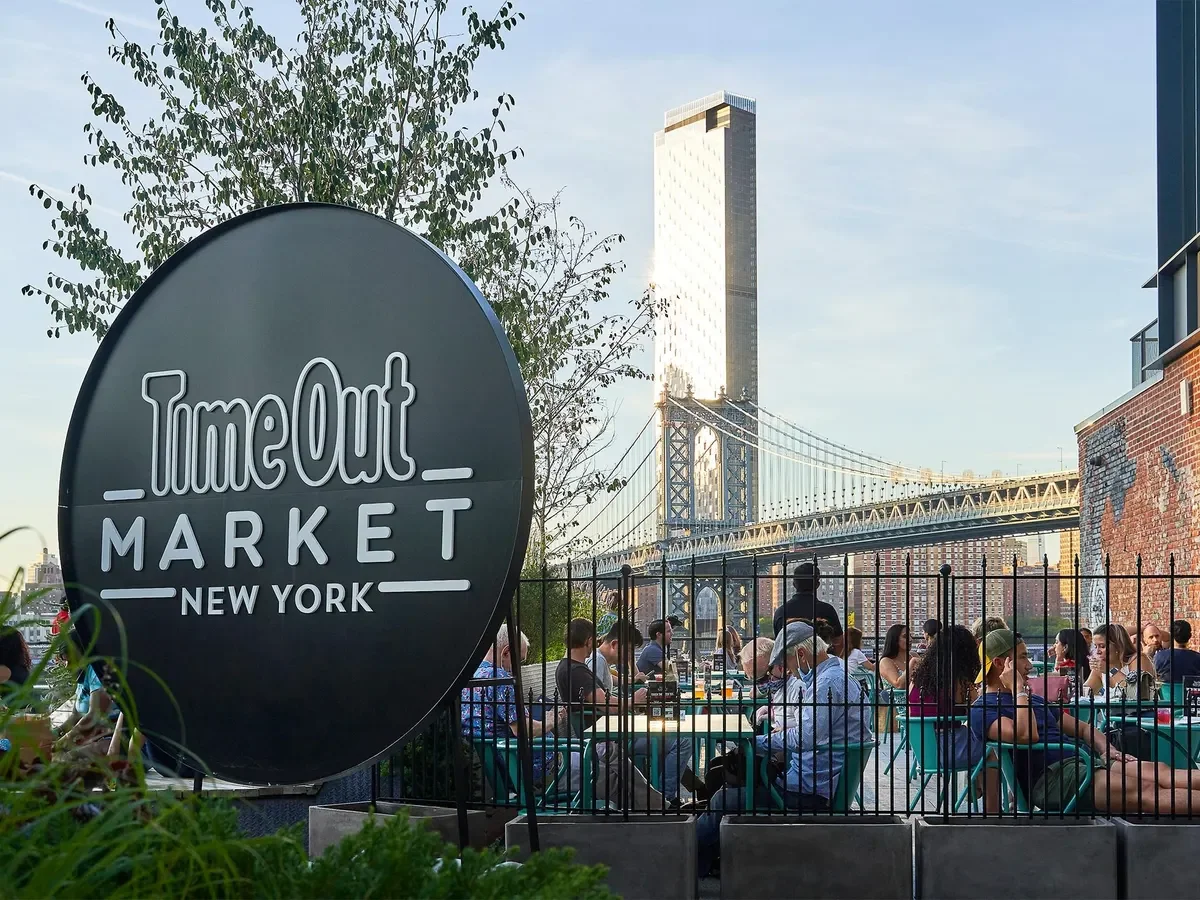
Time Out Market, Dumbo, NYC
6. Pick an operating model — and an operator — early
A food hall is an operating business, not just a real estate asset. The hardest lesson developers learn is that an inexperienced operator can derail a project even in a perfect location.
The four common operating structures:
Third-party operator (management agreement) — developer owns the asset and hires an experienced operator to run the hall. Most common for savvy developers.
Straight lease — developer builds out the food hall and then leases the facility to an operator. Guaranteed rental revenue, lower upside.
Joint venture — developer and operator co-invest. Aligned incentives, more complex governance.
Owner-operated — developer hires an in-house team. Maximum control, maximum risk.
There is no universally “right” structure. There is a right structure for your trade area, capital position, and risk tolerance — and the answer should be settled in pre-development, not negotiated mid-construction.
7. Use technology like an operator, not a tourist
Food hall technology is no longer a nice-to-have. The systems that need to be “hard-wired” into the build are:
A central POS platform that consolidates vendor sales, routes orders to the right kitchen, and handles vendor payouts
A consolidated guest ordering experience (in-hall kiosks, mobile, QR)
Integrated inventory, labor, and back-office systems that give the operator real-time governance, visibility, and consistency across every vendor in the hall
Guest data and CRM tools that turn one-time visitors into measurable repeat traffic
Layer in kitchen automation, AI-assisted forecasting (demand, labor, inventory), and smart equipment thoughtfully — not because they’re the latest thing, but because they take pressure off labor and tighten cost controls in tight margin businesses.
The goal isn’t a “smart” food hall. The goal is a hall where the systems handle the repetitive work so your team can focus on guests and food.
8. The opening is a milestone, not the finish line
The hardest year for any food hall is year one — but the year that defines its long-term value is year two.
Most halls open hot, settle into a trough at six to nine months as the launch buzz fades, and either climb back through programming, vendor refinement, and brand partnerships, or quietly plateau.
Build your operating plan around year-two performance, not year-one revenue. The halls that compound value are the ones that treat opening as the start of the operating curve, not the end of the project.
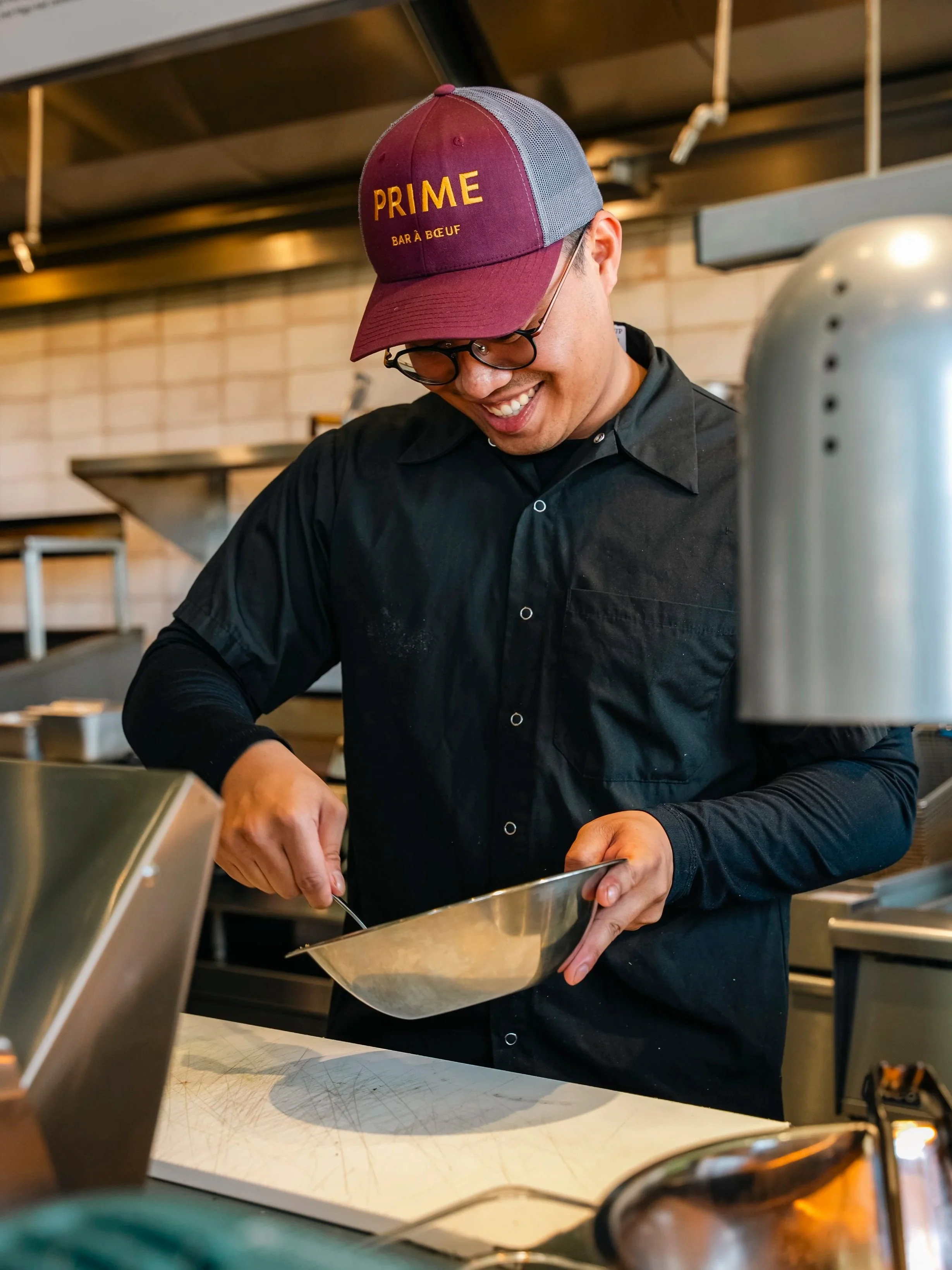
Le Fou Fou Vendor (Prime)
A short list of things we’d avoid
Designing the building before you size the trade area
Going in undercapitalized
Curating overlapping cuisine types
Underbuilding the bar program
Long-term vendor agreements with no out clauses or turnover contingencies
Bringing on an operator late in the process
Skimping on marketing and PR during pre-opening
Underbuilding the catering engine
Where to start
A food hall is one of the highest-leverage anchor tenants you can put in a mixed-use project — and one of the easiest to overbuild, mis-curate, or under-operate. The difference between a hall that anchors a $200M development and one that drags it down is almost always made in the planning — at the Onset of the project.
If you’re early on a project and want a clear-eyed read on whether your site supports a food hall — and what shape it should take — that’s the conversation we’re built for.
About the Author: Jay Coldren is the Founder of Onset Hospitality. As a 35-year food and beverage veteran, Mr. Coldren spent 15 years as an independent restaurateur, served as the Global Brand Leader of EDITION Hotels, Managing Director for Dean & Deluca, Director of Dining for The Inn at Little Washington, and as CEO for the global food hall operator Time Out Market. Onset Hospitality is a premier developer and operator of world-class food halls in North America and the Middle East.