
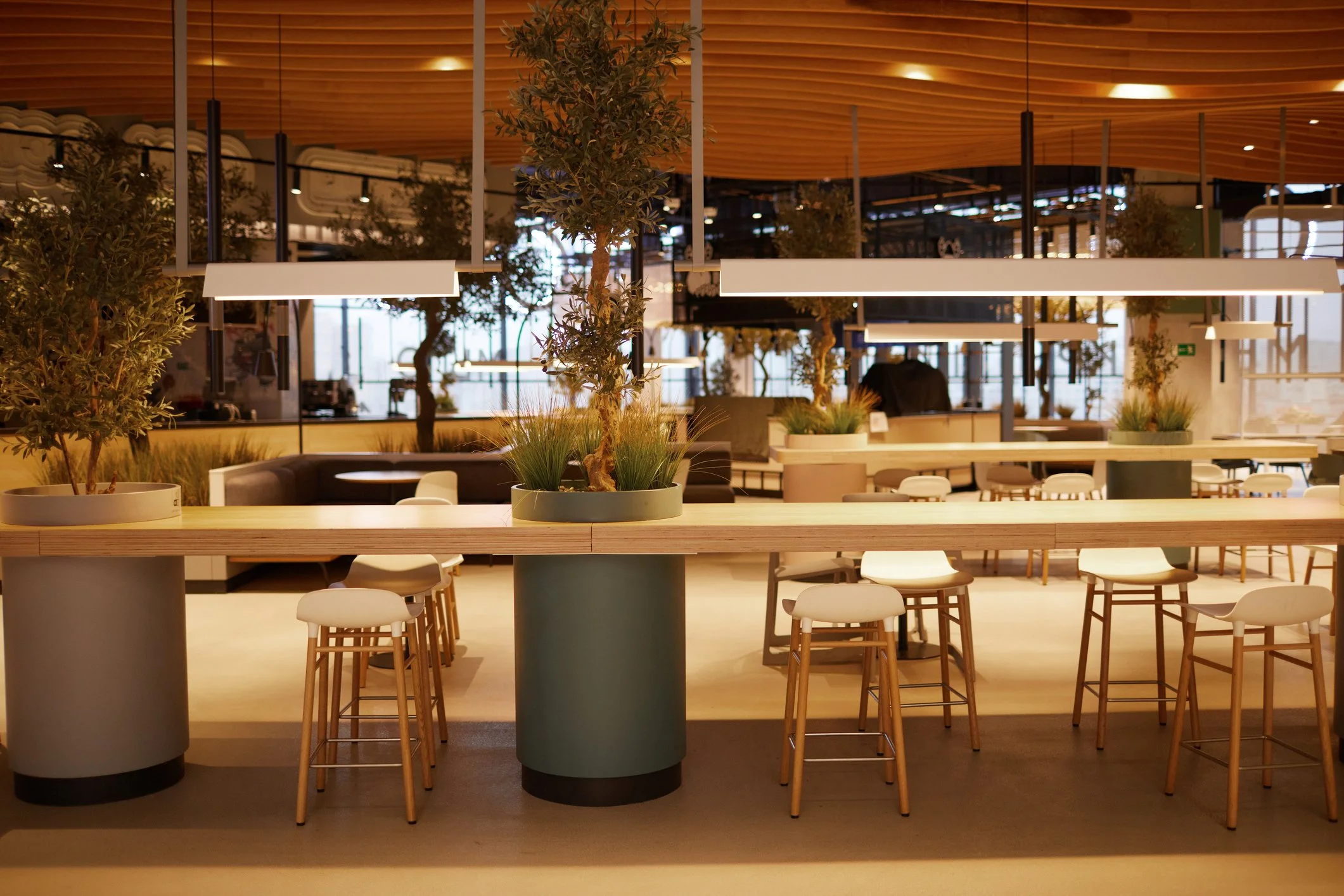
Food Hall Consultant Services
Operator-led consulting for developers, REITs, and owners building food halls.
A food hall consultant advises developers, REITs, and property owners on the feasibility, sizing, vendor curation, and operating structure of food hall projects. The best consulting engagements combine market research and financial modeling with hands-on operating experience — because every recommendation eventually gets tested in a real hall.
At Onset Hospitality, our consulting practice is grounded in years of actually operating food halls, which shapes how we advise on every project we take on. We've run the P&L, managed vendor turnover, built beverage programs, and programmed calendars through year three. Every recommendation we make on a consulting engagement is one we'd have to live with if it were our own hall.
Most food hall consulting stops at the strategy phase — a feasibility study, a programming brief, a deck. That work is useful. But it often doesn't address the week-by-week realities that decide whether a hall succeeds: vendor management, seasonal daypart shifts, the bar program, and an activation calendar that's actually implemented rather than just designed.
Our advice starts from those realities and works back to the strategy. The result is recommendations grounded in what actually happens once the hall opens, not just what looks right on paper. Onset's food hall consulting services span the full project lifecycle — from earliest feasibility through Post-launch refinement:
Trade-area sizing and transaction modeling
Concept design and programmatic planning
Vendor mix strategy and curation guidance
Lease structure recommendations and performance trigger design
Capital planning and operating pro forma
Operator Selection Support and Outreach
Pre-opening planning and launch readiness assessment
Mid-stream operational reviews for existing halls
Strategic refresh, vendor refinement, and concept evolution
Expert advice for owners taking over underperforming halls
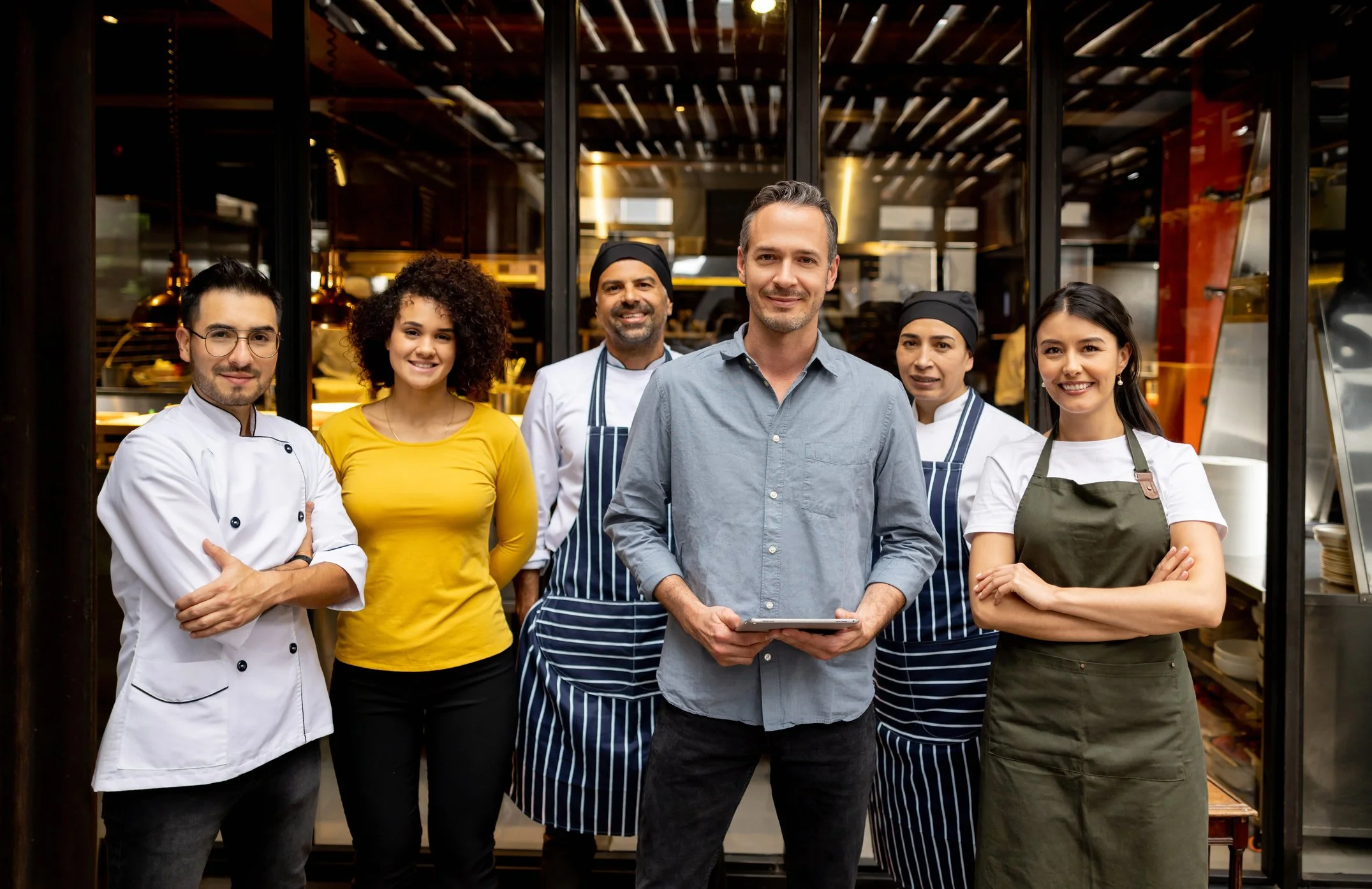
Our Approach
Three principles shape every consulting engagement we take on. They come from operating halls in good markets and bad ones — and from watching what happens when projects are built on assumptions that don't hold up.
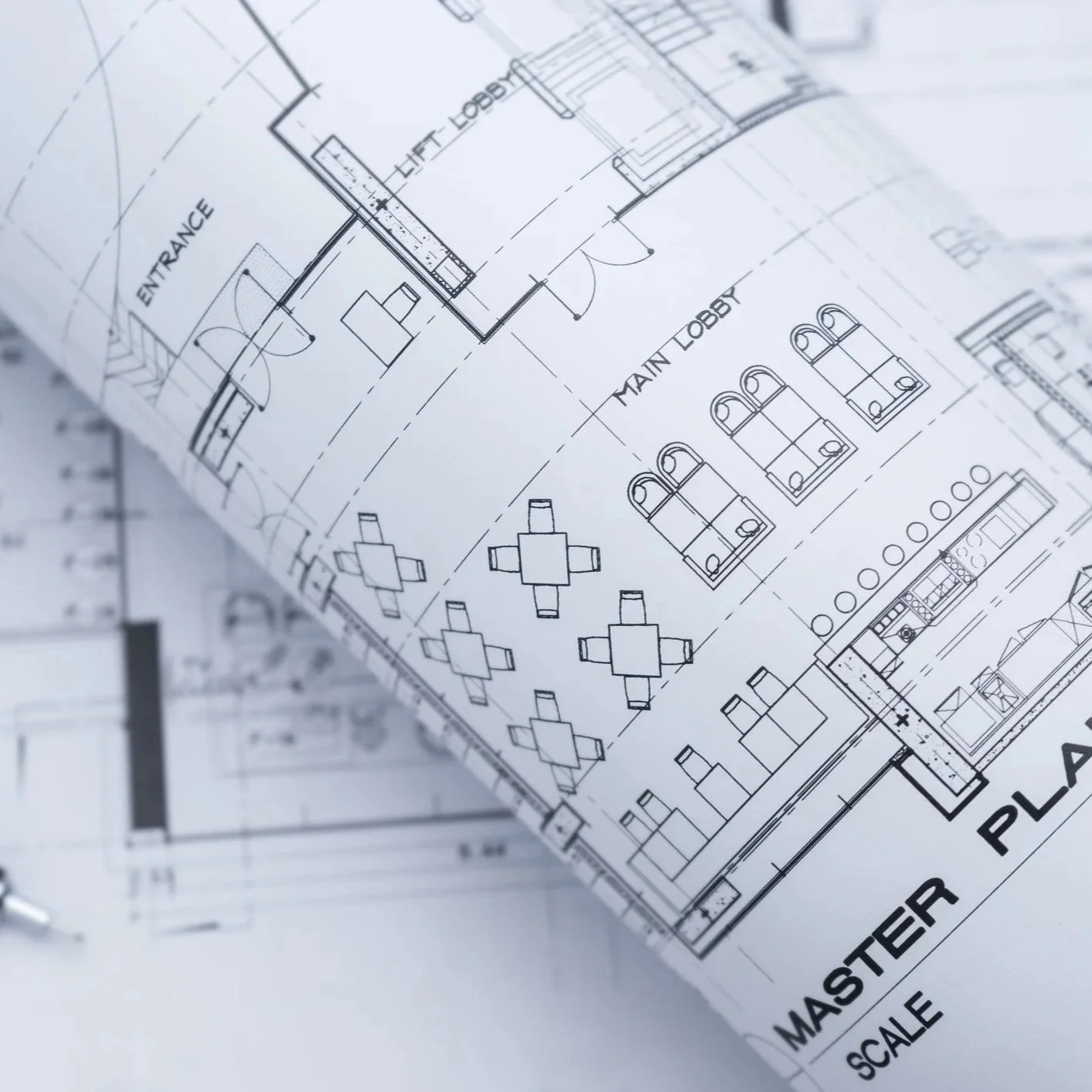
We size halls based on the market, not the available square footage. The single most expensive mistake in food hall development is building too big. Most halls that struggle were sized to fit the available space instead of the trade area's actual transaction volume. We approach it the other way. We start with realistic trade-area capture, average check, viable vendor count, and the dayparts the market actually supports — and then determine the hall's footprint. The right hall is the one the market can sustain, not the one the floor plan allows.
We follow the financial levers, not the buzzwords. The food hall industry has built up a vocabulary that sometimes outruns its math — "experiential," "third-place," "destination," "anchor tenant." We don't dispute any of those concepts. They're just not the basis for a recommendation. Our recommendations come from the levers that actually drive food hall economics: transaction volume, average check, vendor mix, daypart coverage, beverage program share, events and group dining capture, OPEX inclusive of labor, year-two NOI. If a recommendation doesn't move one of those levers, we don't make it.
Sometimes the right answer is no food hall. We've operated halls in markets that could support them, and we've operated halls in markets that couldn't. The second category teaches a lesson the first never does: a food hall in the wrong location takes years to fail, and costs the developer real capital and credibility along the way. We've been through it. When the trade-area math, the operating capability, or the building infrastructure don't add up, we tell developers that — even when the recommendation costs us the engagement. The cost of saying no is dramatically smaller than the cost of building anyway.
How we work
Every consulting engagement starts the same way — with a clear-eyed read on the project. From there, the scope follows what the project actually needs.
1. Discovery. Site visit, trade-area read, project context, what's been decided already, what's still open.
2. Diagnostic. Honest assessment of the project's strongest path forward — including the parts of the current plan we'd rethink and the parts we'd lean into. If the project shouldn't proceed, this is where we say so.
3. Recommendations. Specific, actionable, written for the people who will implement them. We don't deliver decks for the shelf.
4. Handoff or hands-on. Either we deliver the work and step back, or we stay engaged through implementation as the operator. The right answer depends on the project.
Frequently Asked Questions
Still have questions? Take a look at the FAQ or reach out anytime. If you’re feeling ready, contact us today!
-
A food hall consultant advises on strategy, design, and planning — typically delivering a study, a recommendation, or a structured engagement that ends with a deliverable. A food hall operator runs the business — managing daily operations, vendor relationships, the bar and programming, and the P&L. Some firms do both. Most don't. The strongest consulting comes from firms that also operate, because every recommendation has been tested in a real hall before it's offered to a client.
-
When the trade area can't support the transaction volume, when the building can't be retrofit for multi-vendor MEP without unrecoverable cost, when the local food scene isn't deep enough to curate from, or when the developer doesn't have the operating capability or capital reserves to run year one. We've operated halls in markets that couldn't support them — that experience shapes our willingness to say no. A food hall in the wrong location costs the developer years of capital and credibility before it closes. The cost of telling a developer the project isn't right is dramatically smaller than the cost of building it anyway.
-
We size from the market up, not from the floor plan down. The math starts with realistic trade-area capture — how many people we can credibly draw from the area, with room to grow — multiplied by an honest average check across realistic high, mid, and low scenarios. That gives us a defensible weekly revenue range, which we divide by a vendor support floor (typically $12,000-$15,000 per vendor per week) to determine how many vendors the market can sustain. Only then does the hall's footprint follow. Bigger doesn't drive bigger returns; it drives bigger break-evens and bigger vacancy risk.
-
Most commonly at three points in the project lifecycle: early-stage feasibility, when the question is whether the site supports a food hall and what shape it should take; mid-development, when the operating plan, vendor curation, and capital structure need outside review; and mid-stream operations, when an existing hall is underperforming and needs an honest diagnostic from someone outside the project team.
-
Yes. Onset is regularly brought in as a specialized consultant alongside existing project teams. What matters is that the food hall side of the project has someone on it who has actually opened and operated halls — not just designed them.
-
Both. Many engagements end at the recommendation phase, with the developer or owner implementing through their own team. Others continue into operations under a separate management agreement. The consulting work is never conditioned on a follow-on operating engagement.